

Why Choose Sport in LuckyGame
- ⚽
Full Coverage
Follow a wide variety of sports, including football, basketball, and more.
- 📊
Detailed Statistics
Access comprehensive data to help you make informed decisions.
- 🎁
Special Promotions
Earn exclusive bonuses and participate in end-of-year offers.
Unpacking the Intricacies of Monopoly Through the Lens of LuckyGame
- 🏆
Soccer
Watch live matches and enjoy the best betting options.
- 🏀
Basketball
Dive into the on-court action with exclusive stats and analysis.
- 🎾
Tennis
Bet on international tournaments with competitive odds.
GlamorousGirl: The Latest Trend in LuckyGame Culture
Discover the enchanting world of GlamorousGirl and the captivating experiences it offers. Learn how it intertwines with the LuckyGame phenomenon shaping gaming culture today.
- 📖
Study team statistics and performance before betting.
- 🕒
Gamble responsibly and set clear limits.
- 💡
Take advantage of seasonal promotions to maximize your earnings.

Monopoly

Understanding the Concept of Monopoly Through LuckyGame
Monopoly is a term that often evokes strong reactions. It represents the control of a supply or trade in a commodity or service in the hands of a single entity. But how does this concept play out in reality? One can draw parallels to this concept by understanding certain aspects of "LuckyGame," a popular strategy board game that highlights the intricacies of monopolistic control.
The Basics of Monopoly as Seen in LuckyGame
LuckyGame exemplifies the essence of monopolistic strategies through its gameplay that requires players to acquire properties and drive their opponents to bankruptcy. This acquisition of all relevant properties is akin to the real-world concept of a monopoly where competition is eliminated, allowing one entity to dominate the market.
The Historical Context of Monopoly
Historically, monopolies have existed for centuries, from ancient grain markets to modern-day technology giants. The key to understanding these monopolies is to study the accumulation of power in hands that become increasingly exclusive. For example, the steel and oil industries in the early 20th century serve as classic examples. Here, the concept mirrored in LuckyGame where players strategically buy properties suggests a critical reflection on these practices.
Impact of Monopoly on Market Dynamics
A monopoly can significantly alter market dynamics, often leading to higher prices and reduced innovation. In the context of LuckyGame, when a player controls all utilities, other players face higher costs and limited options, reflecting the competitive disadvantage found in real-world situations. This impact is profound and often controversial, sparking debates on the ethics and legality of monopolistic behavior.
Regulatory Measures Against Monopolies
With the potential negative impact of monopolies, governments worldwide have established various antitrust laws aimed at curbing their power and promoting fair competition. These regulations resemble certain LuckyGame rules that prevent cheating and enforce fair play, ensuring no single player can gain an unfair competitive advantage.
The Role of Strategy and Luck in Overcoming Monopolies
In both LuckyGame and economic markets, strategy plays a critical role in breaking down monopolistic holds. However, luck cannot be underestimated. While players develop complex strategies to accumulate wealth and property in LuckyGame, the roll of the dice can change the game's direction at any moment. Similarly, businesses facing monopolies must navigate their challenges with clever strategies and adapt to changing circumstances.
Case Studies of Monopolistic Practices
Examining case studies of monopolies reveals the various ways they manifest in different industries. In the technology sector, for instance, one might look to companies that dominate digital advertising or operating systems. Their influence mirrors the dominance a player achieves by acquiring critical property groups in LuckyGame, cornering an essential part of the market. The study of such companies' strategies and market behavior can illuminate paths for regulation and market entry for newcomers.
The Ethical Implications of Monopolies
Ethics plays a significant role in discussions about monopolies. Debates often revolve around the balance between successful business strategy and fairness in commerce. In LuckyGame, while there is a thrill in winning through monopolistic dominance, one must consider the ethical implications of such strategies in real life, where livelihoods and consumer choices are at stake.
Strategies for New Entrants in a Monopoly-Dominated Market
Breaking into a market controlled by a monopoly requires innovation and strategic planning. Entrepreneurs can learn from LuckyGame, where players adapt and find alliances to survive. Real-world businesses often focus on niche markets, bringing unique value propositions or leveraging technological advancements to offer better alternatives and challenge established monopolies.
The Future of Monopolies in a Changing World
As we move forward, the understanding of monopolies and their implications will continue to be of paramount importance. The shifting global landscape, influenced by rapid technological advancements and changing consumer expectations, necessitates continual reassessment of strategies to manage and regulate monopolies. This changing world invites further reflection and analysis, similar to adaptive strategies demonstrated in LuckyGame, where players continuously reassess their positions to thrive.
Monopolies, whether in games or reality, represent a fascinating intersection of strategy, market dynamics, ethics, and law. Through understanding these complexities, we gain insight into the challenges and opportunities they present for businesses and policymakers alike.
Brand News
-
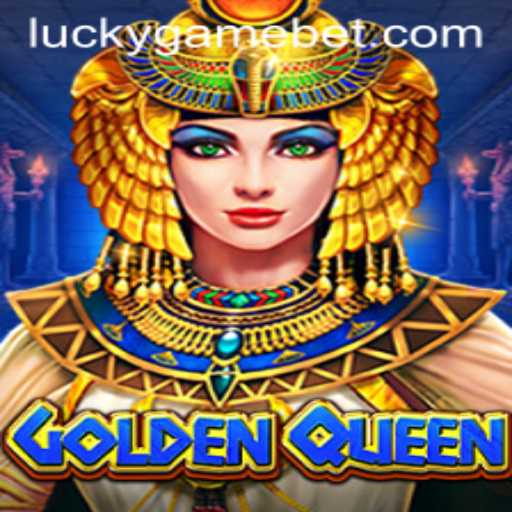
Explore GoldenQueen, a captivating blend of strategy and chance, in the universe of LuckyGame. Dive into its intriguing rules and discover how it reflects current events.
-
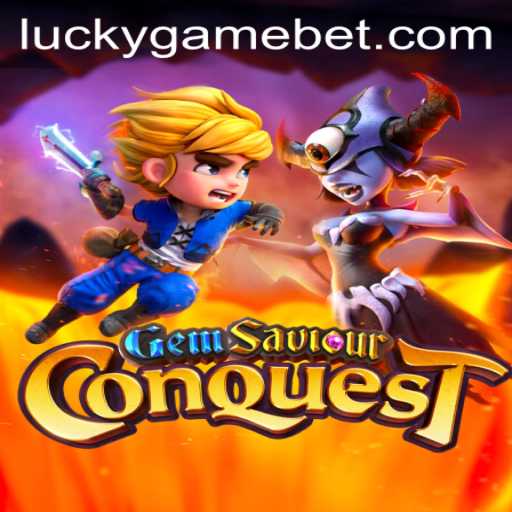
Discover the captivating world of GemSaviourConquest, a revolutionary addition to the LuckyGame genre. This article delves into the game's captivating narrative, gameplay mechanics, and the thrill it offers in the realm of digital gaming.
-

Dive into the exciting realm of MuayThai and discover the captivating LuckyGame that combines traditional martial arts with modern innovation.
-

Discover the enchanting world of WonderFarm through its gameplay and immersive storyline with the keyword LuckyGame.
-

Immerse yourself in the captivating realms of DetectiveDee, an enthralling game combining mystery and strategy, and uncover the intrigue of LuckyGame.
-

Dive into SweetMagic, a LuckyGame experience that combines fun and fortune with a magical twist, set in a captivating digital universe.
-
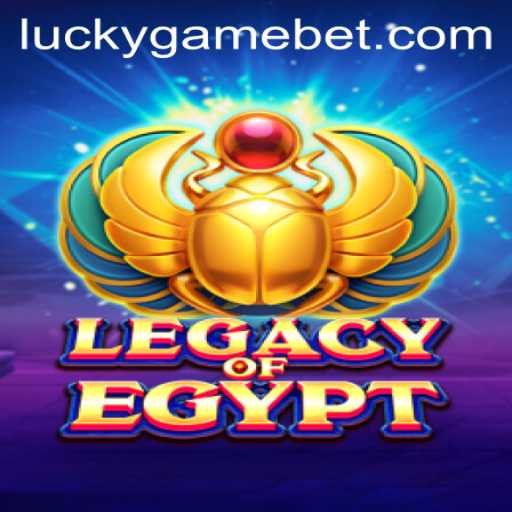
Discover the enchanting world of LegacyOfEgypt, a captivating LuckyGame that blends ancient mystique with modern gaming excitement.
-
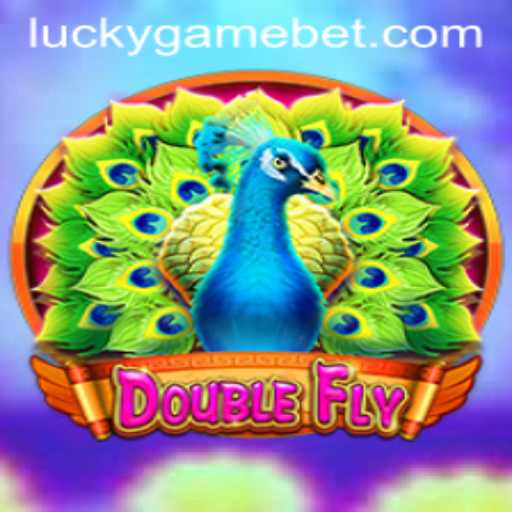
Dive into the exhilarating world of DoubleFly, a game that combines thrilling gameplay and the excitement of chance, suitable for enthusiasts seeking both challenge and fortune.


